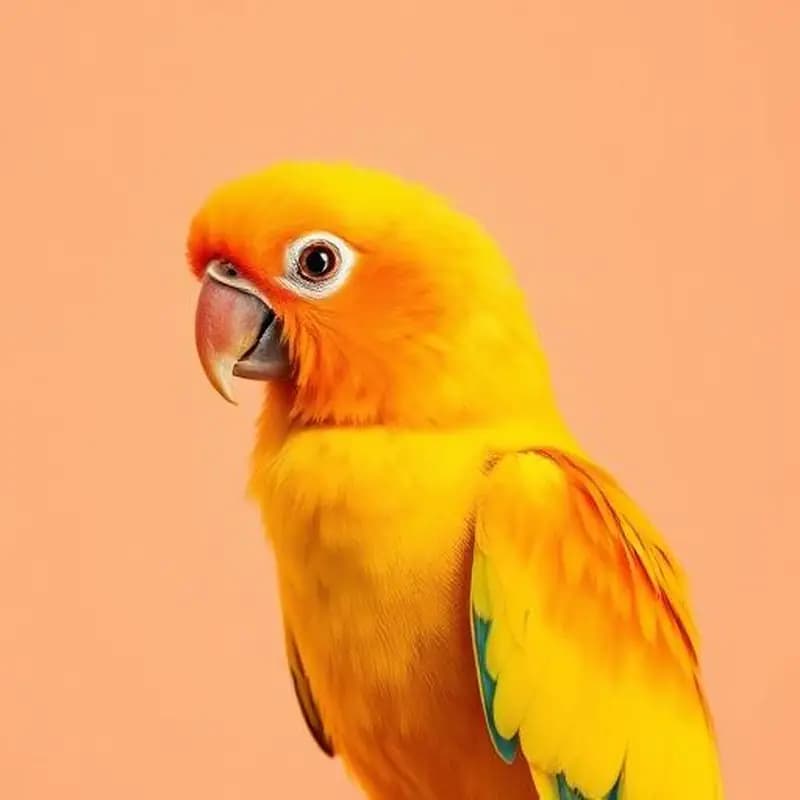
Beginner's Guide to Owning a Pet Bird in the UAE

    Reviewed by Hamza, Avian Care Lead at Dubai Birds since 2018

    What it really costs, what species fit your home, and how to set up for Dubai's climate from day one.
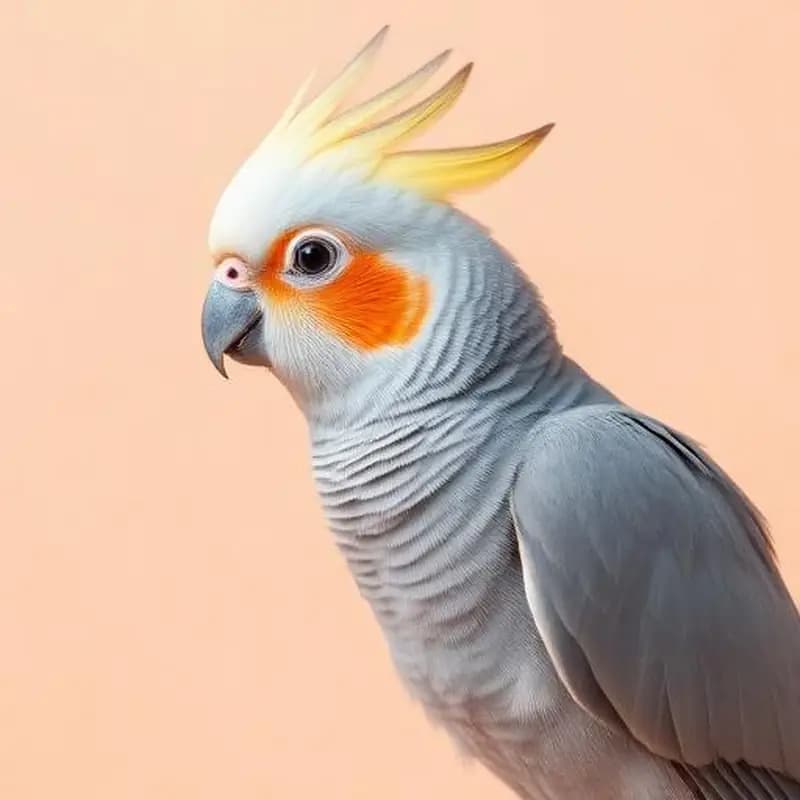
    Friendly cockatiel — beginner-friendly pet bird

    _Last reviewed: April 2026_


    If you have never owned a pet bird and you live in the UAE, this guide is the brief we wish every walk-in customer at our Warsan 3 aviary read before they came in. We have sold birds in Dubai since 2018 and a hard pattern shows up in returns and rehoming requests: most failed bird-ownership stories trace back to a buyer who did not understand the climate, the lifespan, the noise, or the budget. None of those mistakes are unfixable in advance. They are all unfixable after a 25-year species sits on your hand and your spouse threatens to move out.


    Read this top to bottom before you buy a bird, not after.


    Are you actually ready for a pet bird?


    Four honest questions, in order:


    1Will you still want this bird in 15 to 30 years? A Cockatiel lives 18 to 25 years. A Green Cheek Conure lives 25 to 30. An African Grey lives 40 to 60. A Macaw or Cockatoo can outlive you. Plan inheritance and rehoming the same way you plan a mortgage.
    2Do you have 1 to 4 hours daily for the bird? Parrots are not fish. They are flock animals and they will scream, pluck, and self-mutilate if ignored. Conservatively, budget 1 hour daily for a Budgie or Cockatiel and 4+ hours for any medium parrot.
    3Will your home stay 22 to 28 degrees Celsius all year? UAE summers force 24/7 AC. If you travel for August every year and switch off your AC to save on DEWA, you cannot keep a tropical bird alive in Dubai. Period.
    4Are you ok with mess and noise? Even the quietest parrot scatters seed husks, sheds feathers, drops fruit on the wall, and produces dawn and dusk contact calls. There is no clean parrot.

    If any of those answers is shaky, get a Budgerigar or wait. Do not buy up.


    Choosing the right species for your UAE home


    Match the species to your living situation, not the other way round. The two filters that matter most in the UAE are noise (apartment vs villa) and time commitment (working couple vs stay-at-home).


    Best species for first-time UAE owners


    Cockatiel — 50-70 dB, 18-25 year lifespan, gentle, whistles, easy to tame. Apartment-friendly. Our most-recommended first parrot.
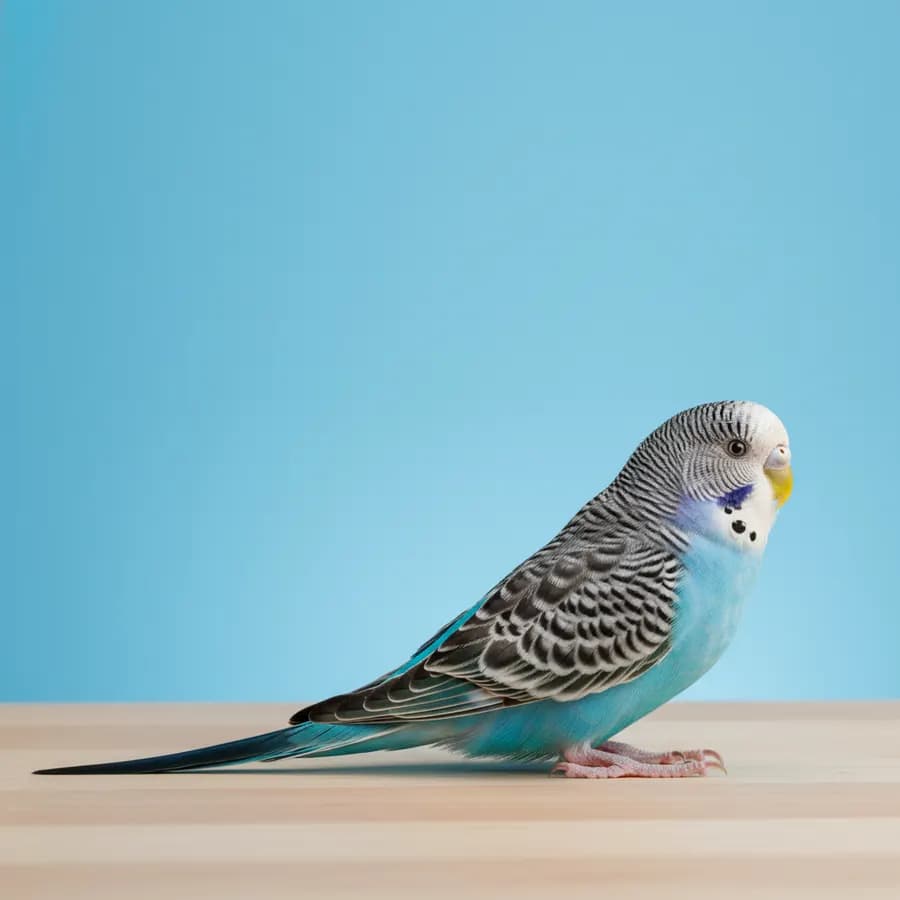
    Budgerigar (Budgie) — 60-65 dB, 7-10 year lifespan, can learn 100+ words, low-mess, lowest-budget option.
    Lovebird — 65-80 dB, 15-20 year lifespan, bonded to one person, beautiful colour mutations.
    Pacific Parrotlet — 65-75 dB, 15-20 year lifespan, big personality in a tiny body.
    Green Cheek Conure — 70-85 dB, 25-30 year lifespan, playful, snuggly, the only conure realistic for apartments.
    Indian Ringneck Parakeet — 80-90 dB, 25-30 year lifespan, strong talker, needs a villa or detached unit.

    The full ranked breakdown is in our [best birds for beginners guide](https://dubaibirds.ae/bird-care/best-birds-for-beginners/).


    Avoid as a first bird (in the UAE specifically)


    Macaws — 100-105 dB screams, villa-only, see [macaw care guide](https://dubaibirds.ae/bird-care/macaw-care-guide/) for context.
    Cockatoos — emotionally demanding, prone to self-mutilation if under-stimulated, see [cockatoo care guide](https://dubaibirds.ae/bird-care/cockatoo-care/).
    African Greys — phenomenally intelligent but anxious, plucking-prone, see [African Grey care guide](https://dubaibirds.ae/bird-care/african-grey-care/).
    Sun and Jenday Conures — 100-110 dB, neighbour complaints inevitable in apartments.
    Caiques — high energy, nip-prone with children, advanced bird.

    Avoid does not mean never. It means do not buy one as your first bird in a Dubai apartment. After 2-3 years with a Cockatiel or Budgie, your odds of succeeding with a bigger species multiply.


    The realistic cost of bird ownership in the UAE


    The sticker price of the bird is the smallest line item. The setup costs and ongoing care add up fast. These are 2026 numbers.


    One-time setup


    Bird (small to mid) — 200 AED for a Budgie, 550 AED for a hand-raised Cockatiel, 1,000-2,500 AED for a Green Cheek Conure, 2,500-4,000 AED for an Indian Ringneck.
    Cage — 600-2,500 AED depending on size and material. Stainless steel costs more upfront but does not corrode in coastal Dubai humidity.
    Perches, toys, food bowls, cuttlebone — 300-500 AED initial.
    Travel cage and carrier — 200-400 AED.
    Avian-safe cleaning supplies — 100-200 AED initial.
    UVB lamp + timer (if no balcony access) — 250-450 AED.
    Cool-mist humidifier — 250-400 AED. Non-negotiable in Dubai AC environments.

    Setup total: 2,000 to 4,500 AED before you walk out with the bird.


    Recurring annual costs


    Pellets, fresh produce, treats — 100-200 AED per month for small species, 250-500 AED for medium parrots. Budget 1,500-4,000 AED annually.
    **Routine avian vet check + nail/beak trim** — 250-400 AED twice yearly = 500-800 AED annually.
    Toys (replaced monthly because birds destroy them) — 60-150 AED monthly = 700-1,800 AED annually.
    DEWA cooling for 24/7 AC — already in your bill, but keep in mind your AC can never go off in summer.
    Boarding when you travel — 60-150 AED per night.
    Emergency vet fund — keep 2,000-5,000 AED reserved. Avian emergency presentations (egg-binding, aspergillosis, calcium seizures) cost 1,500-4,500 AED treated.

    Year-one total for a Cockatiel or Green Cheek Conure: 4,000 to 7,500 AED.


    Add a zero for a Macaw or Cockatoo. We have seen Hyacinth owners spend 15,000 AED annually on food and toys alone.


    Budgerigar parakeet — great for first-time owners

    Apartment vs villa — the honest UAE assessment


    Apartments (JLT, Marina, Downtown, Business Bay, Al Furjan, Dubai Hills, Sharjah towers)


    Apartment walls in Dubai's tower blocks are thin enough that a 95+ dB parrot scream will trigger a complaint within the first week. Building management responds. RERA has zero patience for noise disputes.


    Workable apartment species: Budgerigar, Cockatiel, Lovebird, Parrotlet, Green Cheek Conure. Avoid: anything louder.


    Villas and detached homes (Mirdif, Al Barsha, Arabian Ranches, Dubai Hills villas, anywhere in Sharjah/Ajman with standalone homes)


    A villa changes the species ceiling. Indian Ringnecks, Sun Conures, Amazons, Hahn's Macaws, smaller Cockatoos all become realistic. Larger Macaws and Cockatoos need a villa AND a dedicated bird room with closed doors. Direct neighbours still hear sunrise screams from a Moluccan Cockatoo in the next garden.


    The AC reality


    UAE summers (May-September) hit 45+ degrees Celsius outdoor and Dubai's coastal humidity routinely climbs above 80%. Your AC must run 24/7 from May through October. The catch: most central or split units drop indoor humidity to 23-30%, which is too dry for any tropical parrot.


    The solutions:

    1Cool-mist humidifier running near (not on) the cage targeting 50-60% relative humidity.
    2Daily misting bath — handheld plant sprayer at room temperature, 5-10 minutes morning or evening.
    3No direct AC airflow on the cage — ever. Position the cage in the same room as the split, but outside the line-of-sight to the vent.
    4Battery-powered fan as backup — DEWA outages happen, mostly in summer thunderstorms. A bird without AC for 4 hours in August will be dead by hour 5.

    UAE legal basics — MOCCAE and CITES in plain English


    The UAE Ministry of Climate Change and Environment ([MOCCAE](https://www.moccae.gov.ae)) regulates exotic-animal trade under Federal Law No. 22 of 2016. The international body governing wildlife trade is [CITES](https://cites.org), which classifies species into Appendix I (most protected — Hyacinth Macaw, African Grey, Goffin's Cockatoo, Palm Cockatoo) and Appendix II (still regulated but commercially traded — Blue & Gold Macaw, most Conures, Sun Conure, Amazon, smaller Cockatoos).


    What this means for a first-time UAE buyer


    Budgerigars and Cockatiels — not CITES-listed, no permit needed. Closed leg-band still recommended for traceability.
    Lovebirds, Parrotlets, Indian Ringneck — CITES Appendix II for some species, papers expected from any reputable seller.
    Conures, Caiques, Amazons — CITES Appendix II, paperwork mandatory.
    African Grey, Hyacinth Macaw, Moluccan / Goffin's / Palm Cockatoo — CITES Appendix I, both import permit and closed leg-band required, do not buy without both.

    Buying an undocumented CITES-listed bird in the UAE exposes the buyer to confiscation, fines, and (for trafficked species) criminal charges. Reputable sellers volunteer paperwork. Reluctant sellers should be walked away from.


    Five questions to ask any seller before you pay


    1**"Is the bird captive-bred and hand-raised?"** — captive-bred only; wild-caught birds are illegal and traumatised. Hand-raised means weaned by humans and tame to the hand.
    2"Can I see the closed leg-band?" — a stainless ring fitted at 14-21 days with the breeder's code, country, year, and serial. An open or missing band is a warning sign.
    3"Where is the CITES paperwork?" (for any species above Appendix II) — buyer's copy lists the bird's individual ID. The seller keeps the original; you walk out with a copy.
    4"What is the date of the most recent avian vet certificate?" — under 30 days old is reasonable, with PBFD/polyoma PCR results.
    5"What support comes after the sale?" — a real seller answers diet, behaviour, climate, and vet questions for the life of the bird. Dubizzle resellers do not.

    If the seller hesitates on any of those, end the conversation. We do not buy back birds from competitor sellers — neither does any other reputable shop in the UAE.


    Your first week with a new bird — the checklist


    The first 7 days set the relationship for years. Get this right.


    Day 0 — before the bird arrives


    Cage assembled, perches at varied diameters and heights.
    Pellets, cuttlebone, mineral block, foraging toy, small dish of fresh produce, water bowl filled with bottled or filtered water (Dubai tap is high in chlorine and limescale).
    Indoor temperature confirmed at 22-26 degrees Celsius.
    Cool-mist humidifier running at 50-60% RH near the cage.
    AC vent confirmed not blowing directly on cage location.
    Cage placed in a busy but not chaotic room — living room corner, not bedroom, not kitchen.

    Day 1-2 — quiet time


    Open the carrier inside the cage. Step back. Let the bird climb out on its own. Do not handle. Sit in the room reading or working for 1-2 hours so the bird hears your voice. Refresh food/water every few hours. Do not invite friends over to "meet the bird" — overwhelming a new bird in the first 48 hours is the fastest route to long-term fear of humans.


    Day 3-5 — voice and presence


    Talk to the bird softly across the room. Drop a treat (millet for Cockatiels and Budgies, almond sliver for Conures) into the food dish whenever you walk past. The bird begins associating you with positive things. Cage stays closed.


    Day 6-7 — first interaction


    Open the cage door but do not reach in. Let the bird step onto the open door or perch by itself. Offer a treat from your hand near (not on) the cage. Some birds step up by day 7. Many do not — give it 2 to 4 weeks. Do not force it.


    First avian vet appointment — within 14 days


    Book a baseline avian vet visit within two weeks of bringing the bird home. We provide a current shortlist of certified avian vets to every Dubai Birds buyer; ask in-store. The visit covers weight, beak/nail check, gram-stain, faecal float, and PBFD/polyoma confirmation if not already done.


    For symptom recognition over the first weeks, [Lafeber Vet's psittacine library](https://lafeber.com/vet/) and [VCA Animal Hospitals' avian section](https://vcahospitals.com) are the two reference sites we point owners to. Bookmark both.


    Conure enjoying a perch

    Common first-month mistakes to avoid


    Putting the cage in the bedroom — birds need 10-12 hours of full darkness; your phone screen and bedside lamp wreck that.
    Cooking with PTFE non-stick pans — fumes kill any parrot in minutes. Switch to stainless or cast iron before the bird arrives.
    Scented candles, plug-in fragrances, aerosol deodorant, shisha smoke — all toxic to parrots. Audit the home.
    Free-flying without a harness — open windows and ceiling fans kill birds every year in Dubai. Keep wings clipped or invest in proper harness training before any free flight.
    Skipping the humidifier — by week 6 you will see dry, brittle feathers and sneezing. Reverse it on week 1.
    All-seed diet — fast track to fatty liver and calcium deficiency. Pellets first, fresh produce second, seeds and nuts as treats only. See our [bird diet guide](https://dubaibirds.ae/bird-care/bird-diet-guide/) for the full plate.
    No training plan — without daily 10-minute sessions, even a tame bird becomes territorial within months. See [how to train a parrot](https://dubaibirds.ae/bird-care/how-to-train-a-parrot/).

    Where to buy your first bird in the UAE


    We will not pretend Dubizzle, Instagram resellers, or weekend pet markets are safe sources. They are not. Wild-caught and undocumented birds enter the UAE through grey channels every month, almost always carrying PBFD, avian polyomavirus, undiagnosed psittacosis, or trauma from the trapping process.


    Buy from a registered seller with a physical aviary you can visit. At Dubai Birds, every bird is hand-raised, leg-banded, vet-checked, CITES-papered where required, and supported with lifetime aftercare. Live availability is published on the [parrots collection page](https://dubaibirds.ae/shop-birds/parrots/) and the full pricing reference is in our [llms.txt](https://dubaibirds.ae/llms.txt).


    See the current MOCCAE legal framework directly at [moccae.gov.ae](https://www.moccae.gov.ae) and the global CITES species database at [cites.org](https://cites.org). For trustworthy avian medicine references, [Lafeber Vet](https://lafeber.com/vet/), [VCA Animal Hospitals](https://vcahospitals.com), and [BirdLife International](https://www.birdlife.org) are the three sites we point first-time owners to.


    Reviewed by


    Reviewed by Hamza, Avian Care Lead at Dubai Birds since 2018.


    Frequently asked questions


    See the FAQ block below.

    Frequently Asked Questions

    What is the easiest pet bird for a first-time owner in Dubai?
    A hand-raised Cockatiel is the strongest first-bird recommendation in our experience. Cockatiels are quiet enough for apartments (50-70 dB), live 18-25 years, tolerate Dubai indoor temperatures well, are reliably tame when hand-raised, and cost 550-800 AED. A Budgerigar is the budget alternative at around 200 AED but lives only 7-10 years.
    How much does it really cost to own a small parrot for the first year in the UAE?
    Realistic year-one budget is 4,000 to 7,500 AED for a Cockatiel or Green Cheek Conure. That breaks down as 550-2,500 AED for the bird, 1,500-3,000 AED for cage and accessories, 1,500-2,500 AED for food and toys, 500-800 AED for routine vet care, plus 2,000-5,000 AED reserved as an emergency vet fund. Most first-time buyers underestimate by half.
    Can I keep a parrot in a Dubai apartment?
    Yes, with the right species. Cockatiels, Budgerigars, Lovebirds, Pacific Parrotlets, and Green Cheek Conures are apartment-realistic across JLT, Marina, Downtown, and Business Bay. Avoid Sun Conures, Macaws, Cockatoos, Caiques, and Amazons in apartments — their volume reliably triggers neighbour complaints and building management warnings.
    Do I need a permit to own a bird in the UAE?
    It depends on the species. Budgerigars and Cockatiels are not CITES-listed and require no permit. Conures, Lovebirds, Indian Ringnecks, and most medium parrots are CITES Appendix II — paperwork accompanies the bird from a registered seller but no separate owner permit is needed. African Greys, Hyacinth Macaws, and certain Cockatoos are CITES Appendix I and require import permits issued through MOCCAE — always buy from a seller who can produce the paperwork.
    Will my bird be ok if I leave the AC off when I travel?
    No. UAE indoor temperatures climb to 40+ degrees Celsius within hours of AC switching off in summer. A tropical parrot suffers heat stroke within 30-90 minutes at 38 degrees Celsius and dies above that. If you travel in summer, either run the AC continuously (DEWA bills accordingly) or board the bird with a registered avian boarding service. We offer climate-controlled boarding at our Warsan 3 aviary.
    How long should I wait before handling a new bird?
    Three to seven days minimum, depending on the species and how the bird responds. The first 48 hours are observation only — let the bird climb out of its carrier on its own, sit in the room so it hears your voice, and refresh food and water without reaching in. From day 3, drop treats into the food dish. From day 6-7, offer treats from your hand. Some birds step up within a week; many take 2-4 weeks. Forcing handling early permanently damages trust.
    What food should a beginner have ready before bringing a bird home?
    High-quality pellets (Harrison's, Tops, Roudybush, or Zupreem Natural sized to the species) as 60-70% of the diet, plus fresh vegetables (kale, sweet potato, capsicum, broccoli, carrot) as 25-30%, with fruit and nuts as treats only. All four pellet brands are stocked at Pet's Delight and DubaiPetFood. Avoid all-seed mixes — they are the leading cause of fatty liver and calcium deficiency in UAE pet birds. Read the full diet guide at /bird-care/bird-diet-guide/.
    How loud is too loud for a Dubai apartment?
    As a rule of thumb, anything above 90 dB at 1 metre will be heard through standard apartment walls and trigger noise complaints. Cockatiels (50-70 dB), Budgies (60-65 dB), Lovebirds (65-80 dB), Parrotlets (65-75 dB), and Green Cheek Conures (70-85 dB) all sit safely under that ceiling. Sun Conures (100-110 dB), Indian Ringnecks (80-90 dB at peak), Macaws (95-105 dB), and Cockatoos (100-135 dB) cross it routinely.
    Do I need a UVB lamp for my bird in Dubai?
    Yes if your bird does not get 30 minutes of unfiltered direct sunlight daily — which is rarely safe in Dubai because summer heat makes balcony exposure risky and window glass blocks the UVB wavelength entirely. A 12% Arcadia or Zoo Med Avian UVB tube on a 10-hour timer prevents calcium deficiency, which is the leading cause of seizures and egg-binding emergencies in UAE pet birds. Lamps cost 250-450 AED.
    What happens if my bird gets sick in Dubai? Are there avian vets?
    Yes. Dubai has several certified avian veterinarians, but availability is limited compared to dog/cat clinics, and emergencies often require a 30-60 minute drive. Establish your relationship with an avian vet on day 1 of ownership, not on the day of the emergency. Dubai Birds maintains a current shortlist of vets we trust — ask in-store. Common avian emergencies (egg-binding, aspergillosis, calcium seizures, crop stasis) cost 1,500-4,500 AED to treat.
    Should I get one bird or a pair?
    It depends on whether you want the bird to bond with you or with another bird. A single hand-raised parrot bonds tightly to humans and learns to talk faster. A pair entertains itself, is healthier in some respects, but is less tame and rarely talks. For first-time owners we recommend a single hand-raised bird with daily human contact. For owners who travel often or work long hours, a pair is more humane than a single bird left alone for 12+ hours daily.
    Where should I avoid buying a bird in the UAE?
    Avoid Dubizzle listings without paperwork, Instagram resellers, weekend pet markets, and any seller who refuses to show the closed leg-band, the CITES paperwork (where applicable), or a recent avian vet certificate. Wild-caught and undocumented birds enter the UAE through grey channels and almost always carry PBFD, avian polyomavirus, undiagnosed psittacosis, or trauma from trapping. Buy from a registered seller with a physical aviary you can visit.
    Beginner Bird Owner Guide UAE — First Pet Bird Setup | Dubai Birds | Dubai Birds