
New Toys and New Foods: Why Some Birds Panic
Reviewed by Hamza, Avian Care Lead at Dubai Birds since 2018
Fear of new things is common in birds. Go slowly, watch the body language and let the bird set the pace.
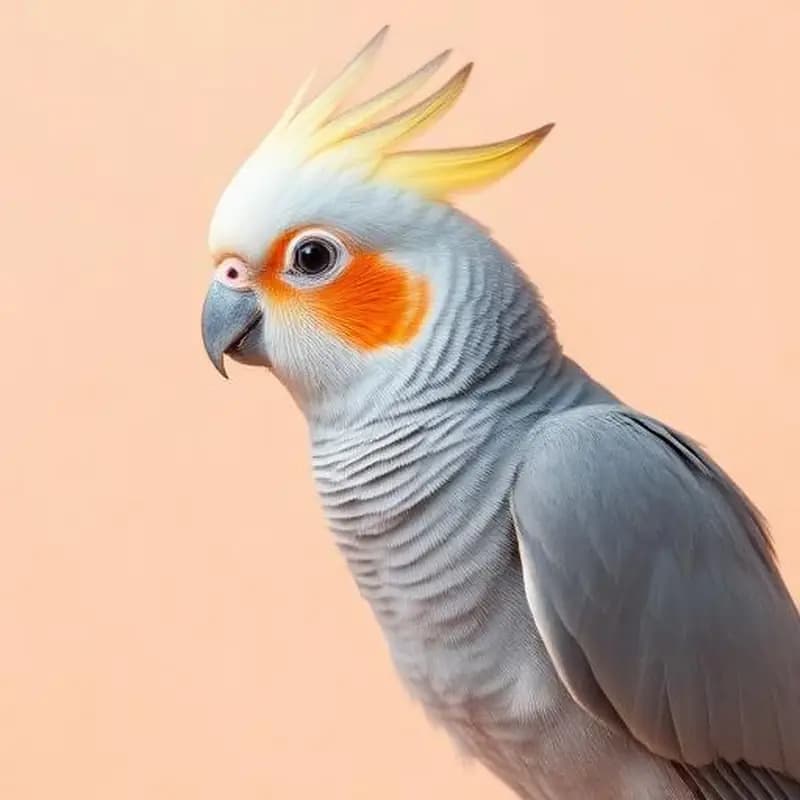
You bring home a new toy, hang it in the cage, and your bird goes to the far corner and stares at it like it is a snake. Or you offer a piece of fruit the bird has never seen and it flicks the fruit out of the bowl. Owners often take this personally. It is not stubbornness or ingratitude. It is a very common bird reaction, and the fix is patience.
Why birds fear new things
Many birds fear new objects. The word for it is neophobia. It shows up in a lot of bird species, and parrots are not exempt.
A likely reason is that, in the wild, an unfamiliar object might be a threat, and a bird that checks carefully before it gets close may do better than one that rushes in. Your pet bird still has that wiring, even though the new object is a rope perch from a shop.
Researchers still debate how to interpret a lot of bird behavior research, and most of the roughly 10,000 bird species have never been studied. So we are cautious about claims for any individual bird. What we see in practice is that it varies a lot. Some birds are bold, some are nervous, and the same bird can be bold about toys and nervous about food.
Reading the bird
Before you do anything, learn what your bird looks like when it is uncomfortable. These are general signs of stress that any bird keeper should know:
A relaxed bird looks loose and soft. Its feathers sit comfortably, it moves around normally and it might lean toward the new item to inspect it. Slow blinks and a tucked foot are good signs.
If you see stress, stop pushing. Take the item away or move it farther off. You are not failing. You are working at the bird's pace, which is the only pace that works.
Introducing a new toy
Go slowly, in stages, and give the bird a say at each one.
If the bird goes back to eating and playing normally with the toy nearby, you are ready for the next step. If it does not, stay at the current step longer.
A few extra ideas help. Handle the toy yourself while the bird watches, since a bird that sees you relaxed around something may relax too. Put a favorite treat near the toy, never on it at first. Start with a plain, simple toy before you try one with bells and noise. And introduce one new thing at a time. Several new toys together can feel like several things to be scared of, and you will not know which one is the problem.
Our enrichment guide covers how to pick toys and rotate them. The slow approach above works for every toy you add.
Introducing new foods
The same patience applies to food, with a few extra points.
Seed-only diets are a known problem, so many birds need to broaden what they eat. But a bird that has only ever eaten one kind of food may not recognize anything else as food at all. Introduce new foods slowly.
A sensible way to go about it:
Remove fresh food that has not been eaten, since it can spoil, especially in Dubai's heat.
The avian vet line
Any change to your bird's diet should be checked with an avian vet first. That includes switching from seed to pellets, adding supplements and bringing in lots of new foods. A vet can tell you what is right for your bird's species, age and health, and what to do if the bird stops eating.
Never force a bird to fast
Never starve a bird into accepting a new food. Do not remove its usual food to make it eat the new item, and never withhold water. A bird that refuses everything for a day is not being difficult. It may be unwell, and it needs its familiar food and a vet's advice. Always keep clean water available, because severe dehydration is dangerous: a loss of about 10 percent of body water is serious, and about 20 percent can be fatal.
When a bird just will not budge
Some birds will not accept a particular toy or food however slowly you go. That is fine. Not every bird likes every toy. Try a different shape or material, or leave it for a few weeks and try again. Do not turn it into a standoff.
If your bird becomes very nervous about nearly everything, or stops eating, or seems unwell, talk to an avian vet. Fear of new things is common, but a sudden change in behavior can have a health cause.
A note on separation and stress
Birds in captivity can show stress when separated from a bonded partner. They may eat less and preen less. That is useful to remember when you move a bird or bring home a new companion, since changes pile up. We would not say it proves the bird is grieving, only that it affects them. Avoid introducing a lot of new things during a stressful week.
Reviewed by
Reviewed by Hamza, Avian Care Lead at Dubai Birds since 2018.
Frequently asked questions
See the FAQ block below.