
Bringing a new bird home: the first two weeks
Reviewed by Hamza, Avian Care Lead at Dubai Birds since 2018
Go slowly. Your bird is learning your home, your voice and your routine all at once.
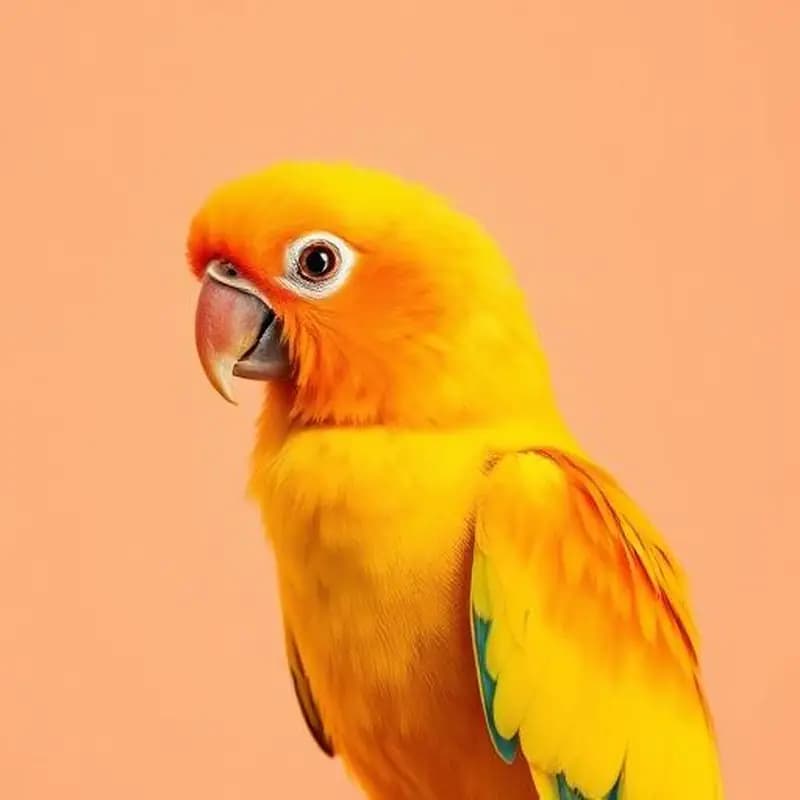
The first two weeks with a new bird are less about teaching and more about letting the bird settle. Everything is new to it: the room, the sounds, the smells, you. It has just left a place it knew. Go slowly, and the rest gets easier.
Birds remember, so settle slowly
Birds remember more than people give them credit for. Crows can remember individual human faces for up to about three years. Scrub jays keep track of what they hid, where and when. Birds mostly find hidden food by remembering where it is, not by smell. A bird that notices and remembers places, people and routines is a bird that will notice everything about your home in the first few days.
A caution: researchers still debate how to interpret many of these findings, and most of the roughly 10,000 bird species have never been tested. We are not saying your bird is a scrub jay. We are saying it is sensible to assume your new bird is paying close attention and take it slowly.
Handover day
Keep it calm. A few things that help.
Once home, put the carrier near the cage and let the bird move across by itself if it will. If you must move it, do it gently and without a chase.
A quiet room
Pick a room that is calm but not isolated. A corner of the living room where people pass at a normal pace works for many homes. Avoid the kitchen, where cooking fumes can harm birds. Keep the television low. Visitors can wait. For the first few days, aim for fewer people, fewer surprises and a regular pattern of light and dark.
Sit in the room, read, work, and talk in a normal voice now and then. You are teaching the bird that you are a safe, boring part of the scenery. That is a good start.
Same food as the seller, to begin with
The bird has already had a big change. Do not add a diet change on top. For the first days, feed what the seller fed. Birds can refuse unfamiliar food, and a bird that is stressed and not eating is a worry you do not need.
Seed only diets are a known problem, so if the seller's diet is mostly seed, you will want to improve it. But do that slowly, and check the plan with an avian vet before you change things. New foods go in small amounts next to the usual food, and you watch what gets eaten. Do not skip meals or hold food back to force a switch. A slow change over weeks is the safe way.
Our bird diet guide covers what a balanced plate looks like. Common shortfalls include vitamin A, vitamin D3, calcium and zinc, which is another reason to ask a vet and not guess. Also remember that UV light does not pass through glass, so a sunny window will not do the job of vitamin D3.
Why new things scare birds
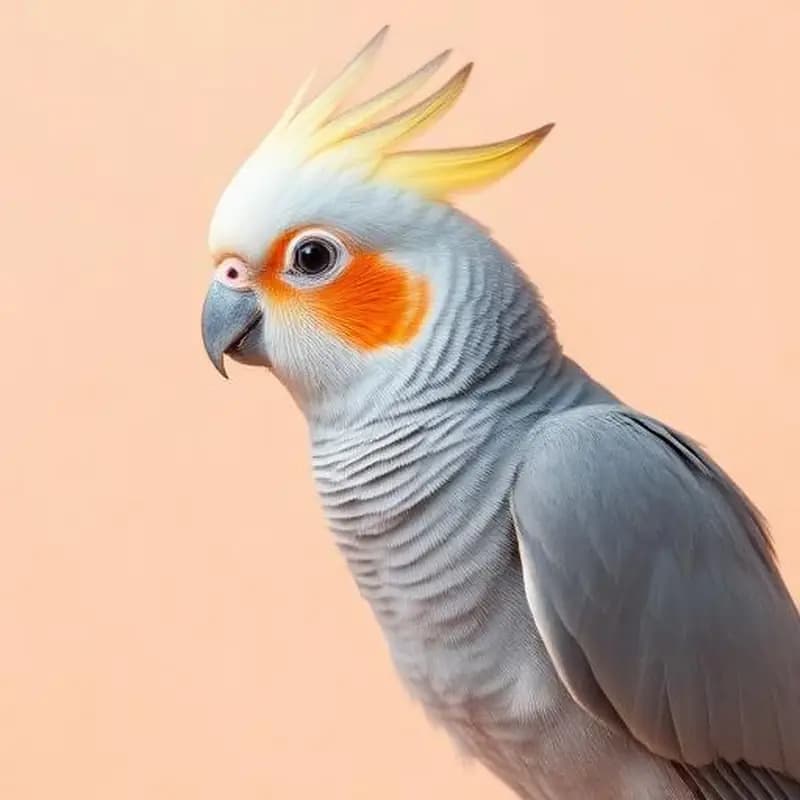
Many birds fear new objects. That is normal. A new toy, a new bowl, a new cage cover, even a new shirt can make a bird back away. So:
Our guide to introducing new toys and foods goes into this in more detail. For the first two weeks, the rule is simple. Keep what you can the same and add the rest slowly.
Clean water, always
Fresh, clean water should always be there. Check it more than once a day, since birds drop food and droppings into it. Dehydration is dangerous for birds: a loss of about 10 percent of body water is serious, and about 20 percent can be fatal. If the bird is not drinking, or looks fluffed up and sleepy, call an avian vet rather than waiting.
First gentle training
You do not need to start training on day one. Start when the bird is eating normally, moves around the cage easily and does not startle when you walk in.
The idea is simple. Birds repeat behaviors that get rewarded. Give the reward right after the behavior. A short word or a clicker marks the exact moment. In the early days that can be as small as the bird staying calm when you walk past, followed by a treat dropped in the dish.
Some rules that hold up.
Once the bird takes a treat from your hand, you can move on to step up and, later, going into a carrier. Our parrot training guide covers those steps, and the first 30 days page lays out a longer plan.
A rough two week outline
Days 1 to 3. Quiet. Same food, clean water, regular light and dark. Sit nearby and talk softly. No handling unless needed.
Days 4 to 7. Treats dropped in the dish when you pass. Watch eating, droppings and behavior. Write down anything odd.
Days 8 to 14. Treats from your hand, near the cage. Short training sessions. Start any diet change slowly, with your vet's advice. Book a vet check if you have not already.
Some birds move faster and some take longer. A shy bird is not a failed bird.
When to call a vet
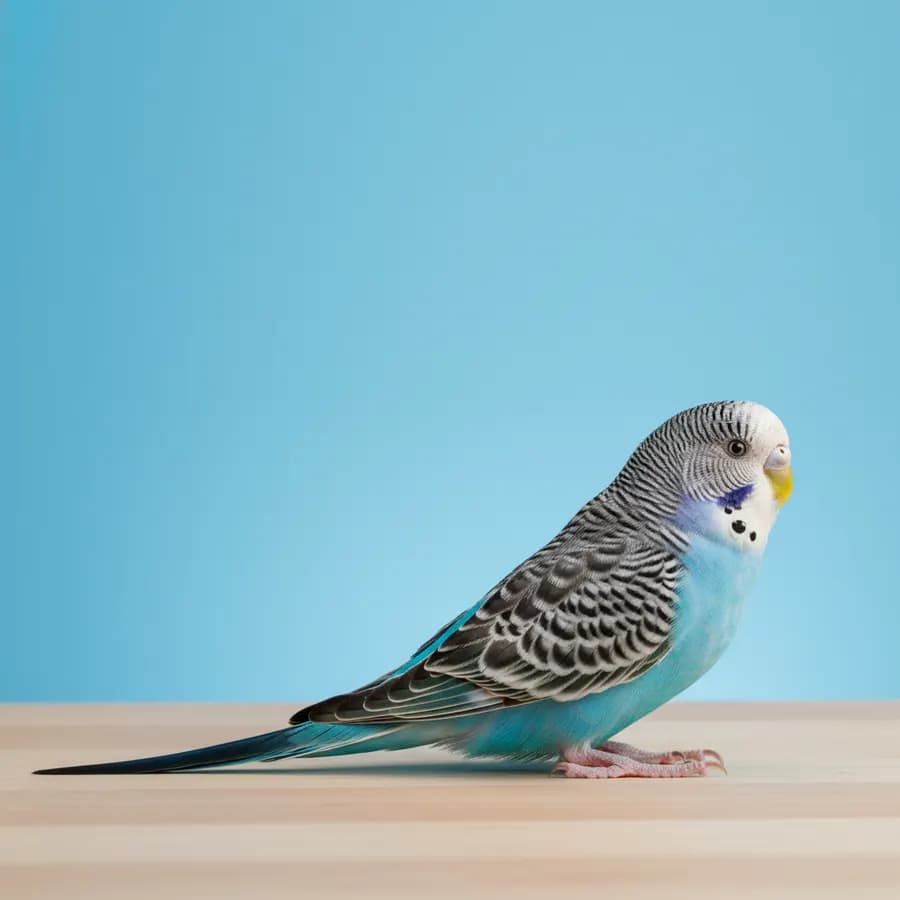
If the bird stops eating, sits fluffed on the cage floor, has changed droppings, or breathes with its tail bobbing, call an avian vet the same day. Birds hide illness well, so by the time it shows, it has often been going on a while.
Before you buy
If you are still choosing, read our guide on how to buy a parrot in Dubai first. A good seller will answer questions about feeding, handling and aftercare before you pay, and will not mind you asking how the bird has been raised. Our aftercare page sets out what we offer once your bird is home, and our guide on how to tell if a parrot is really hand-raised lists the checks to do before you pay.
Reviewed by
Reviewed by Hamza, Avian Care Lead at Dubai Birds since 2018.
Frequently asked questions
See the FAQ block below.