
Smart Birds You Already See in the UAE
Reviewed by Hamza, Avian Care Lead at Dubai Birds since 2018
What we know about clever birds in general, and why mynas and ring-necked parakeets seem so at home in town.
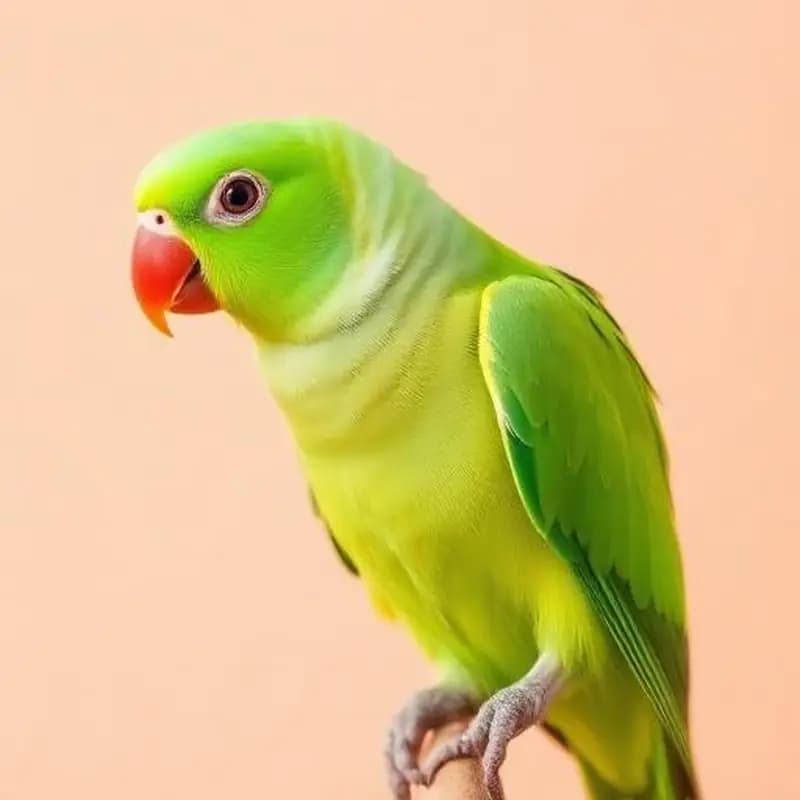
In many UAE neighborhoods you will hear them before you see them. Indian mynas strut across car parks. Ring-necked parakeets shriek past in green flocks. Both look at home. Why?
We do not have myna-specific or ringneck-specific studies to quote, so this guide is about what we know about clever birds in general and how it fits what many people notice around town. Researchers still debate how to interpret many of these findings, and most of the roughly 10,000 bird species have never been tested.
Birds that cope with change
Brain tissue is expensive to run. A large-brained bird spends a lot of body energy keeping it going, so evolution only keeps a big brain when it pays off. One thing a good brain pays off in is dealing with places that keep changing. Cities change constantly: new buildings, new food, new dangers.
One plausible idea is that birds that notice what is new and work out whether it matters cope better than birds tied to a fixed routine. That is a guess, not a measured result for any one species here.
Memory does a lot of the work
Birds mostly find hidden food by remembering locations, not by smell. Scrub jays remember what they hid, where and when. A Clark's nutcracker can hide up to 33,000 pine seeds and remember around 3,000 hiding spots for months.
You do not need to be a nutcracker to benefit from good memory in a city. A bird that learns where the café bins are and when people sit outside has an edge. Crows remember human faces for up to about 3 years, which helps them judge who is friendly and who is a threat. Plenty of urban birds probably use similar skills, though we cannot say which ones have been tested.
Living in a crowd
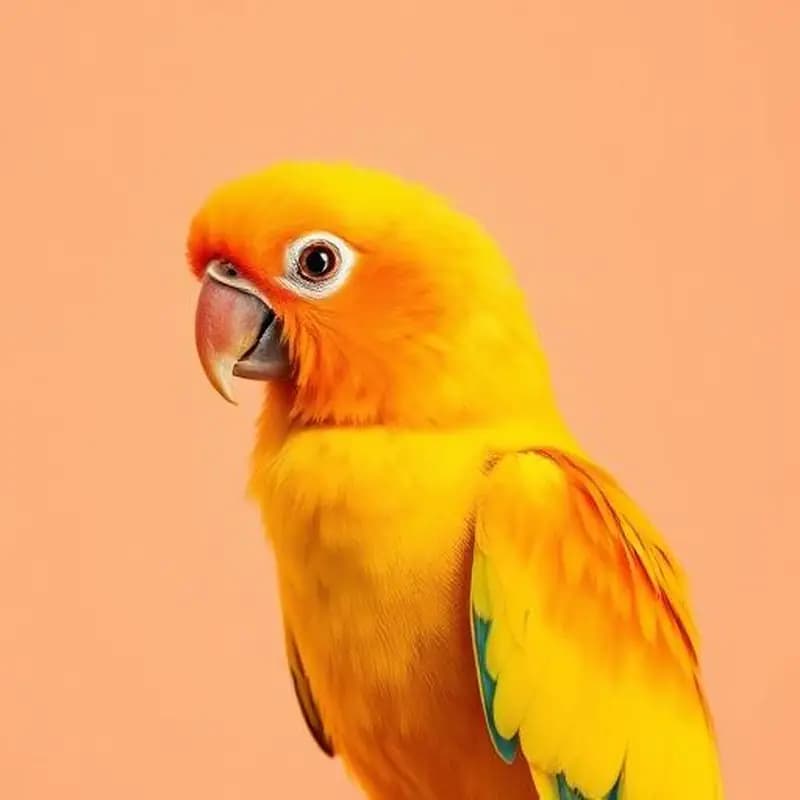
Parrots live in large social flocks in the wild, and some wild parrot calls work like names. A bird that is used to keeping track of many others fits well into noisy shared spaces. Ring-necked parakeets certainly look at ease in groups.
We know little about how mynas live, so we will not claim more. Whether a myna in a car park is solving a problem or just following habit is hard to know from the pavement.
Nerve and curiosity
Many birds fear new objects. That is called neophobia, and it varies from bird to bird, so some will be warier of a new bin or building than others.
Play is rare across bird species but common in parrots and crows. Next time you see a parakeet hanging upside down off a palm frond, it may just be having fun. We cannot prove that either.
What this means if you want one as a pet
Seeing a bird everywhere does not mean it is an easy pet. A wild-living, clever, social bird can still be loud, demanding and stressed in a small cage. A ring-necked parakeet kept at home needs the same time, space and company as any other parrot. Our ring-neck parakeet care guide covers that. A single bird needs more attention from you, and our single bird or pair guide looks at that choice.
If you only want to enjoy the birds, there is plenty to do without buying one. Put out clean water on a balcony in summer and keep it shaded and fresh. Do not hand-feed wild birds foods meant for people.
Why it is worth paying attention
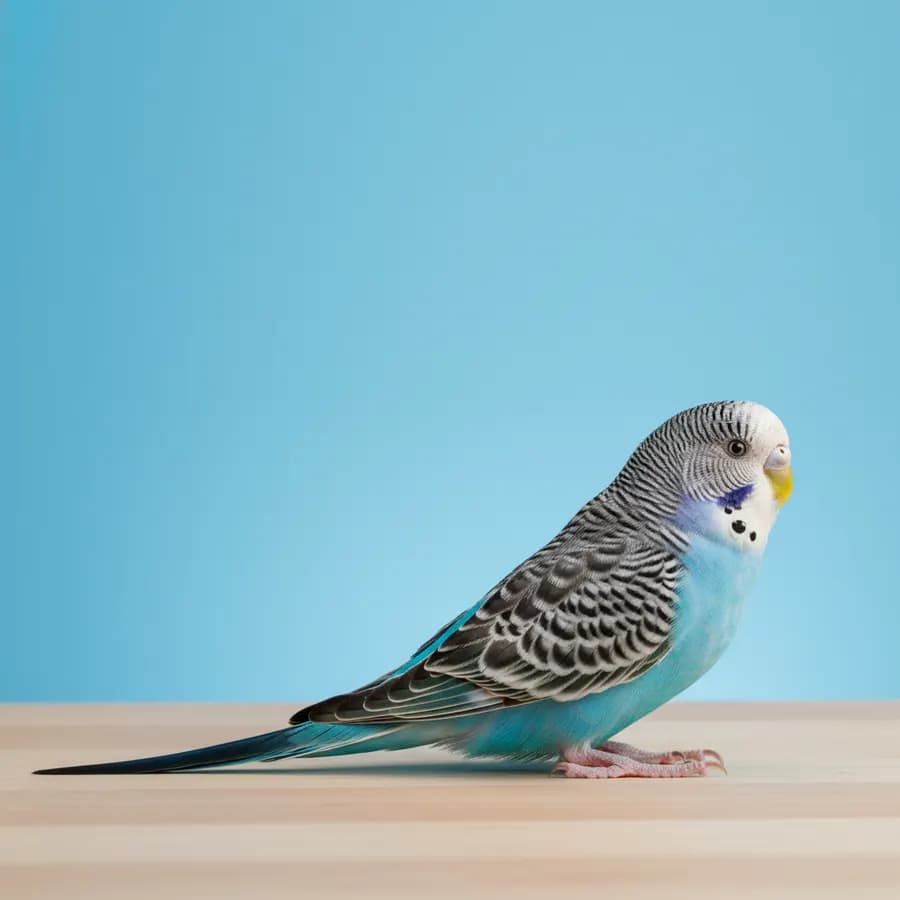
Watching clever urban birds teaches you things about the birds in your home. Notice how they check an unfamiliar object before approaching. Notice who sits together and who keeps a distance. These are the same habits your pet will show in your living room.
Reviewed by
Reviewed by Hamza, Avian Care Lead at Dubai Birds since 2018.
Frequently asked questions
See the FAQ block below.