
Single Bird or Pair? Understanding a Bird's Social Needs
Reviewed by Hamza, Avian Care Lead at Dubai Birds since 2018
How birds live in flocks, what loneliness can look like, and when a second bird helps or does not.
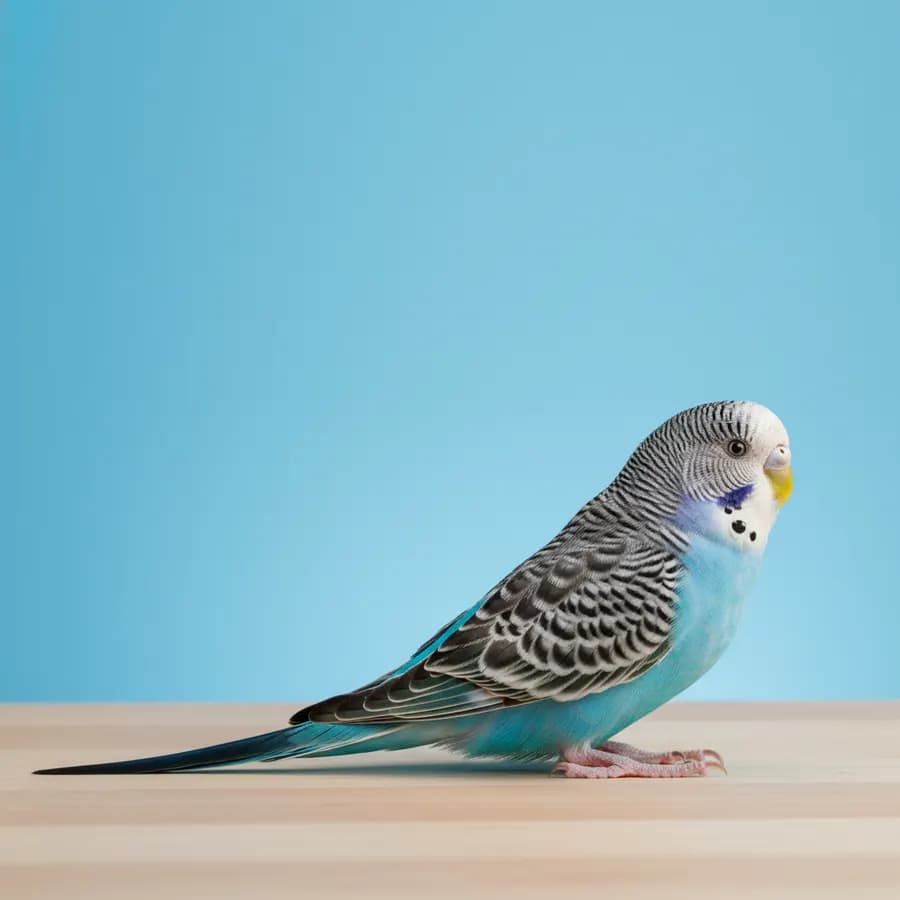
"Should I get one bird or two?" We hear it nearly every week. There is no single right answer. It depends on the species, your time and your home. This guide goes through how birds live, what loneliness can look like, and when a second bird actually helps.
How birds live in the wild
Parrots live in large social flocks. Some wild parrot calls work like names, so birds keep track of who is who. Many species also form close bonds with a partner. A bird in your home is a flock animal living without a flock.
That does not mean every bird needs another bird. It means every bird needs social contact of some kind. In most homes, that contact is you.
What loneliness can look like
Birds in captivity can show stress when they are separated from a bonded partner. They may eat less, preen less, or go quiet. Researchers still debate how to read this. It tells us the bird is stressed. It does not prove the bird is grieving the way a person would, and we will not claim that.
Signs we pay attention to in a bird that may be short on company:
These signs can also point to illness, so a vet check comes first. Do not assume loneliness and buy another bird to fix it. If you change a bird's diet while sorting this out, check with an avian vet.
The case for one bird
A single bird can do very well with the right person. It will tend to bond closely with you, may learn to talk or perform more readily, and is easier to manage in a flat. But it depends on you for nearly all of its social life.
A single bird suits you if:
The case for a pair
Two birds can keep each other company when you are at work. They can preen, play and call back and forth. Some birds are plainly happier with a mate.
But there are trade-offs. Some birds bond to each other and less to people. A pair may stay wilder, talk less and be harder to handle. You will also have twice the food, the cage space, the vet bills and the mess.
When a second bird helps and when it does not
A second bird is not a fix for an owner who is never home with no time. If you cannot spend time with one bird, two birds is just two neglected birds. Company from another bird is not a replacement for care from a person.
It may help when:
It may not help when:
Species and temperament
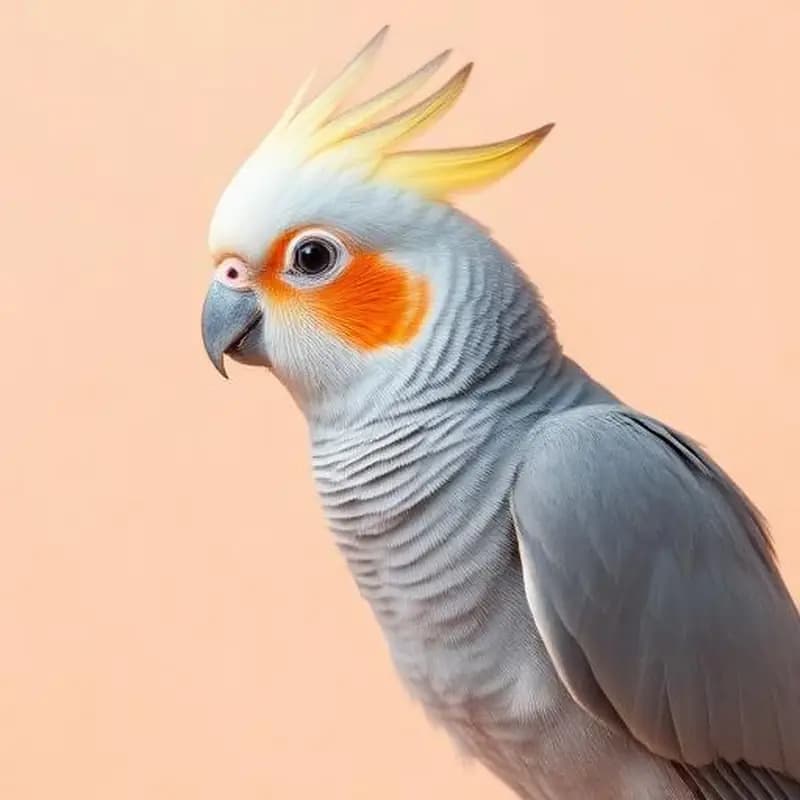
Species matter, but so do individuals. Some small birds, such as budgerigars and cockatiels, are often kept in pairs or groups and are used to flock life. Larger parrots, such as macaws, cockatoos and African greys, can bond fiercely with one person, and a second bird does not always change that. Birds that were hand-raised often expect people to be part of their flock.
In our experience, a bird that is relaxed, eating well and busy during the day is usually coping. A bird that follows you from room to room, calls the moment you leave and sulks when you are out may be asking for more time with you, not necessarily more birds. Be honest about which of those you can offer.
Introducing a second bird safely
Do this slowly. A rushed introduction can lead to fights and injuries.
Not every pair works. Some birds never tolerate each other, and mixing species needs extra caution, especially with larger birds. See our guide on bringing a new bird home for the first two weeks.
Dubai notes
If you work long hours or travel in summer, think about who looks after the bird. Boarding is an option for trips, but it is not a daily solution. Our boarding guide covers what to ask.
Our take
If you are unsure, start with one bird and give it real time. You can always reconsider later once you know your own routine and your bird's personality. If you are thinking about a second bird, talk it through with your avian vet first.
Reviewed by
Reviewed by Hamza, Avian Care Lead at Dubai Birds since 2018.
Frequently asked questions
See the FAQ block below.