
Boarding your bird in the UAE: what to ask and why routine matters
Reviewed by Hamza, Avian Care Lead at Dubai Birds since 2018
Birds notice places, people and schedules. Keep as much of that the same as you can while you are away.
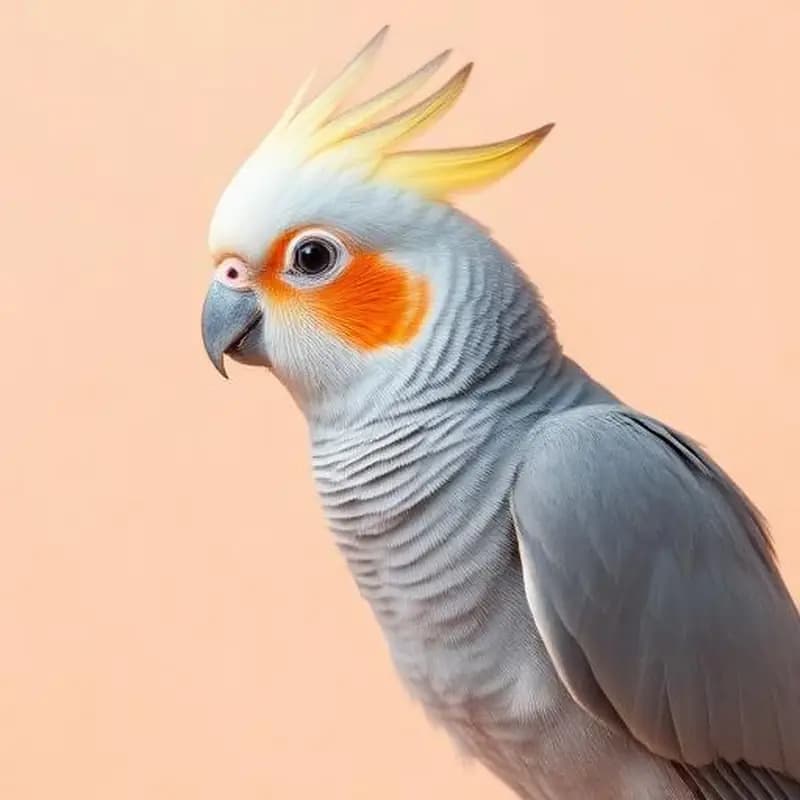
Most people think about boarding as a logistics problem: where does the bird sleep while I am away. That matters, but the bigger issue is what the bird itself is dealing with. A bird that has just lost its room, its cage, its people and its schedule all in one afternoon has a lot to process. The more of that you can keep the same, the easier the stay will be.
Why routine and surroundings matter to a bird
Birds are better at remembering than most owners expect. Crows can remember individual human faces for up to about three years. Scrub jays remember what they hid, where they hid it and when, and they will move food to a new spot if another bird was watching. Clark's nutcrackers hide thousands of seeds and remember thousands of the spots for months, mostly by location rather than by smell.
Your parrot is a different species, so none of this is a promise about how your own bird thinks. Researchers still debate how to interpret many of these findings, and most of the roughly 10,000 bird species have never been tested at all. Still, the pattern is consistent enough to take seriously: birds pay close attention to places, people and what happens when. A bird that knows exactly where its water sits and when the morning light hits the cage has a lot of information to lean on. Take that away and it has to start learning from scratch.
Many birds also react badly to anything new in their space. That is called neophobia, a fear of new objects, and plenty of birds show it. A boarding room has new smells, new sounds and new objects, all at once. Some birds cope fine. Some go quiet and sit hunched for a day or two. Both can be normal, but it tells you why the details below are worth the effort.
One more point. Captive birds separated from a bonded partner can show stress, for example eating less and preening less. That is not proof of grief, and we are not claiming it is. It does mean that a change in company is something a bird notices, and a facility should watch for it.
What to bring
Pack the stay around familiarity.
Questions to ask the facility
Visit in person if you can, and ask these. A good place will answer them without fuss.
Do not worry about asking too many questions. A facility that gets annoyed by them is telling you something.
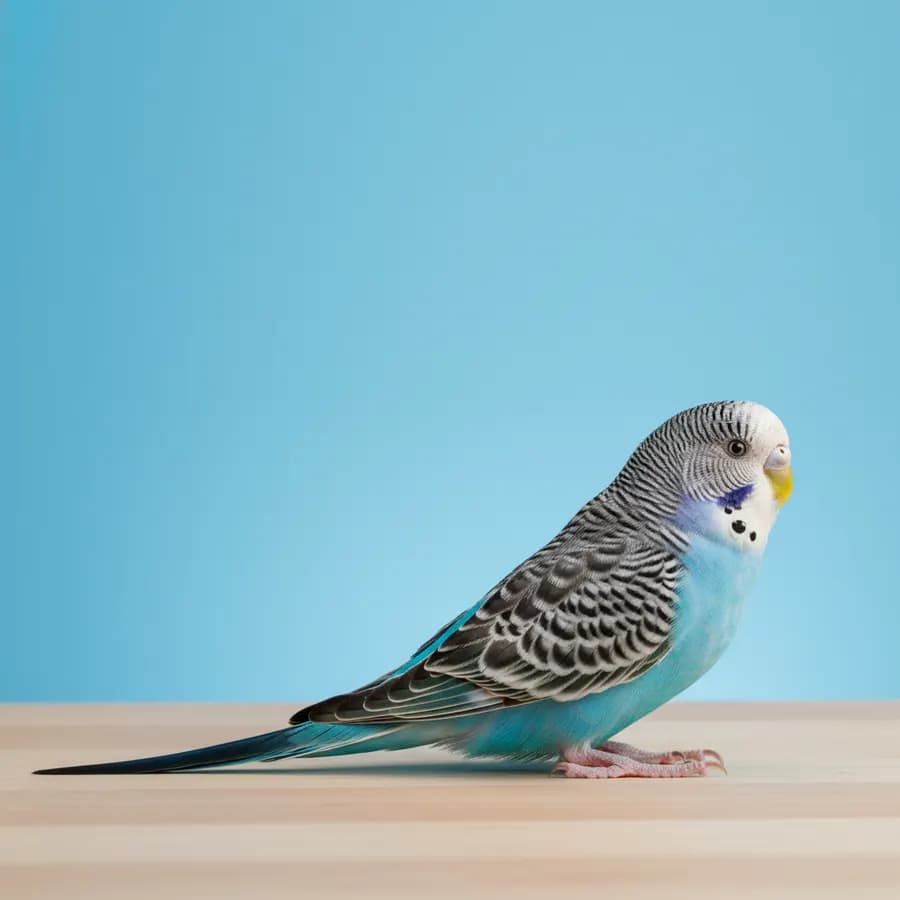
Water, heat and the Dubai summer
Dehydration is a real risk for birds. A loss of about 10 percent of body water is serious, and about 20 percent can be fatal. So ask how water is provided and checked, and ask what happens when the weather is at its worst. Dubai summers are hot, so a steady cool room matters more than almost anything else on this list.
Trial run
If it is your first time boarding, try a short stay before a long trip. A single night or a weekend lets you see how your bird comes back. Watch how it eats, how it sounds and how it behaves with you in the first day or two. If it seems off, tell the facility and your avian vet. Better to find that out before you are away for two weeks.
Settling in again at home
When you collect your bird, go back to the usual routine straight away. Same food, same cage position, same lights. Do not bring a crowd of friends round to celebrate. Some birds are a bit clingy for a day, some are cross for a day, and then things settle. If your bird is eating less or acts differently for more than a short while, call your avian vet.
Before you book
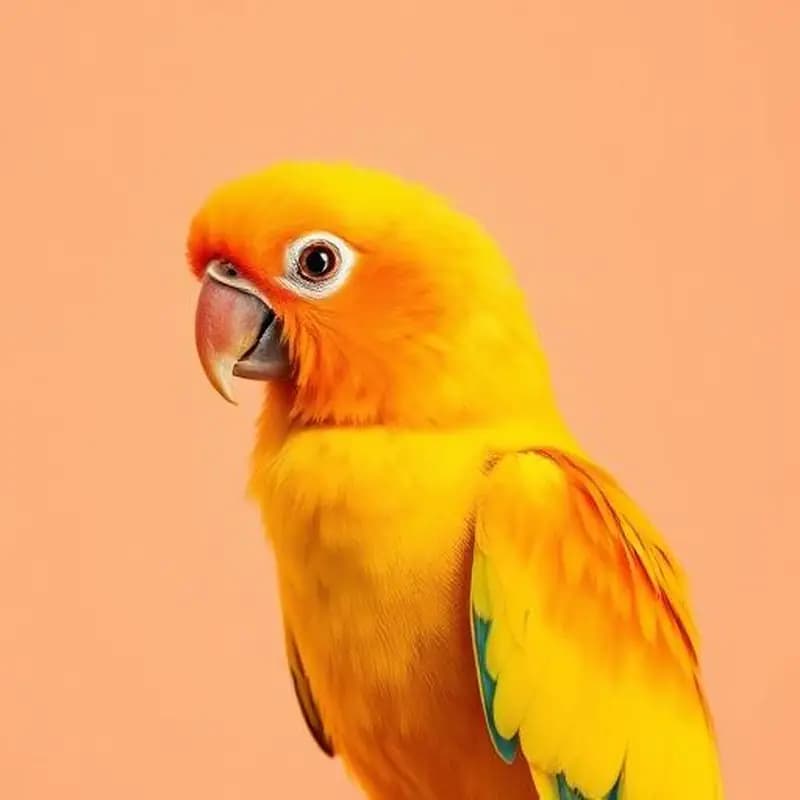
The boarding decision comes down to a handful of plain things. Does the place treat birds as birds and not as small dogs? Will they follow your routine? Can you reach them while you are away? We run boarding ourselves, so we are biased, but the questions above apply to any facility, ours included. You can read about our own service on the boarding page, and use that list to compare it with anyone else.
Reviewed by
Reviewed by Hamza, Avian Care Lead at Dubai Birds since 2018.
Frequently asked questions
See the FAQ block below.